
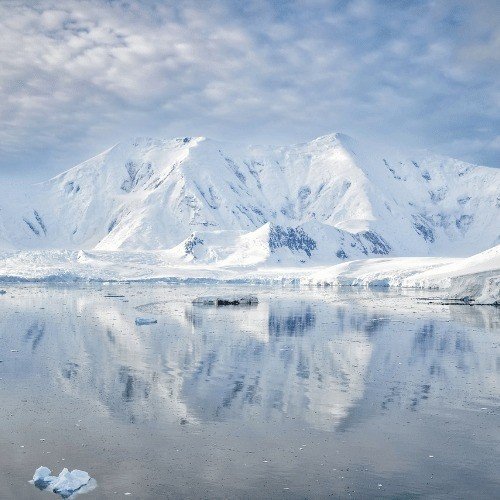
Climate Change Impact: Antarctic Sea Ice Hits Third-Lowest Winter Level
Antarctic sea ice hits third-lowest winter extent of 17.16 million km², with human-induced climate change driving the decline and threatening global ecosystems and sea levels.
Antarctic sea ice hits third-lowest winter extent of 17.16 million km², with human-induced climate change driving the decline and threatening global ecosystems and sea levels.
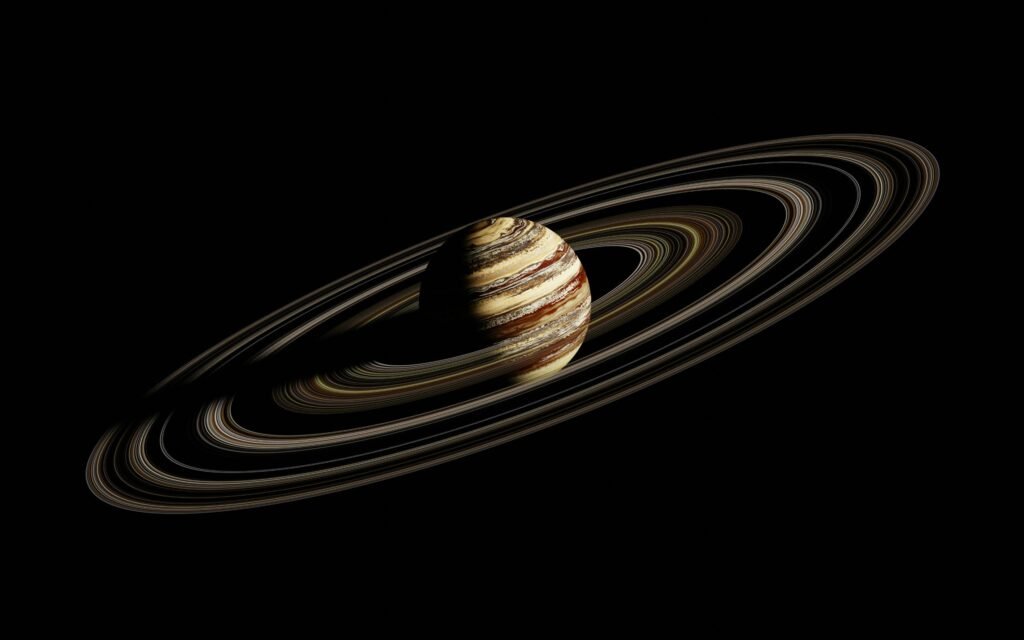
Saturn’s moon Enceladus has a subsurface ocean with liquid water, organic compounds, energy sources, and phosphorus, making it a prime target for astrobiological research and potential discovery of microbial life.
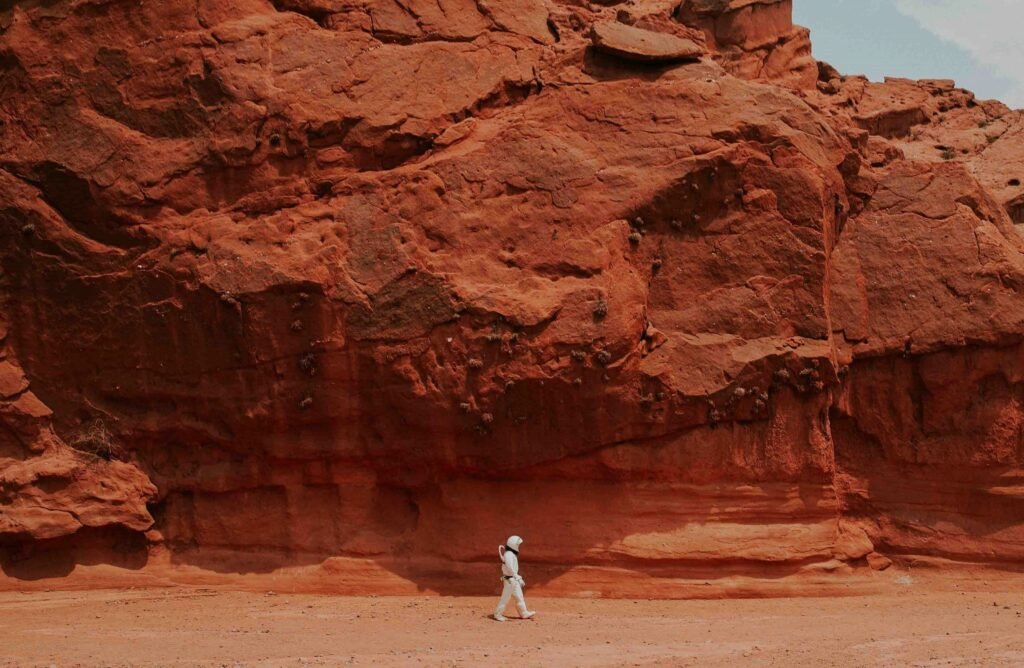
NASA’s Perseverance rover has been exploring Jezero Crater on Mars, discovering evidence of ancient water flows, organic molecules, and volcanic interactions that suggest the planet may have once been habitable. The rover’s findings, including 24 collected rock samples, will help scientists understand Mars’ past and potentially uncover signs of ancient life when the samples are returned to Earth in the 2030s.